
Introduction
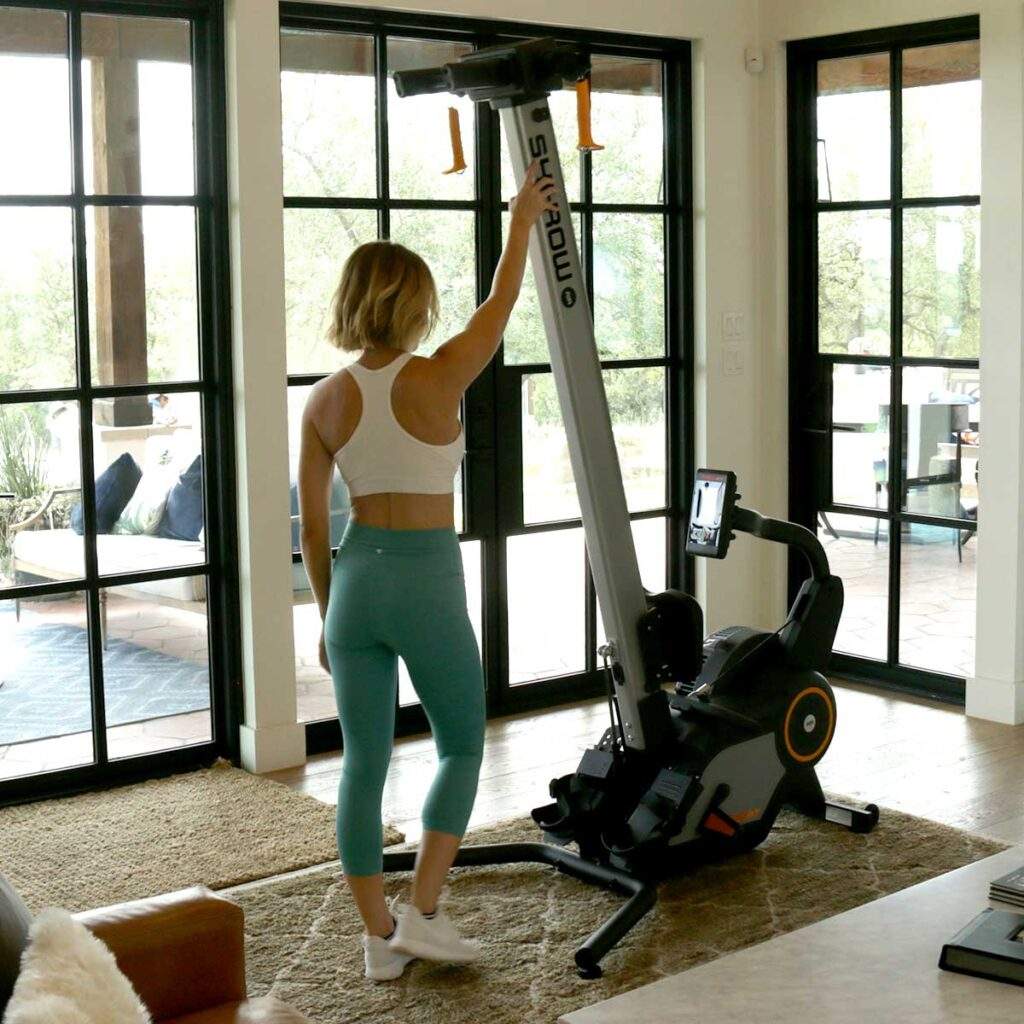
In today’s fast-paced world, finding the time and motivation to visit a traditional gym can be a challenge. However, the rise of the home gym has revolutionized the way we approach fitness. By creating a dedicated space in your own home, you can enjoy the convenience and flexibility of working out on your own schedule. In this comprehensive guide, we’ll explore the essential elements of building the perfect home gym station, providing you with the knowledge and tools to create a fitness oasis tailored to your specific needs.
Assessing Your Space and Needs
The first step in creating your home gym station is to assess the available space in your home. Consider the square footage, ceiling height, and layout of the area you plan to dedicate to your fitness endeavors. This will help you determine the equipment and accessories that will fit comfortably without overcrowding the space.
Next, take the time to reflect on your fitness goals and preferences. Are you primarily interested in strength training, cardio, or a combination of both? Do you have any specific exercises or activities you enjoy? By understanding your needs and preferences, you can curate a home gym that aligns with your fitness journey.
Choosing the Right Equipment: Home Gym Station
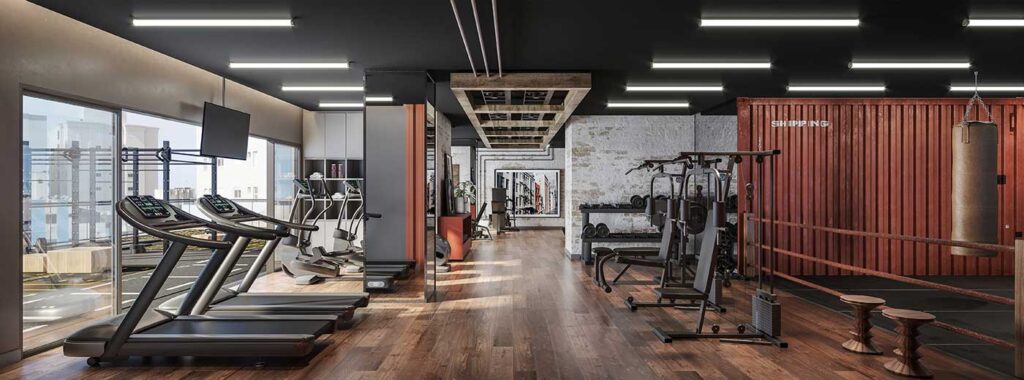
One of the most exciting aspects of building a home gym is selecting the equipment that will be the centerpiece of your fitness sanctuary. From weightlifting racks and resistance bands to treadmills and stationary bikes, the options are vast and can be tailored to your specific requirements.
When choosing equipment, consider factors such as quality, durability, and versatility. Investing in high-quality, multi-functional pieces can maximize the efficiency of your home gym and provide you with a wide range of workout options. Additionally, be mindful of the available space and ensure that the equipment you select will fit comfortably without compromising the overall flow and functionality of your gym.
Crafting the Optimal Layout: Home Gym Station
Once you’ve identified the necessary equipment, it’s time to plan the layout of your home gym station. Thoughtful arrangement of your fitness tools can enhance the overall user experience and create a seamless flow during your workouts.
Begin by mapping out the space and designating specific areas for different types of exercises. For example, you may want to create a dedicated strength training zone, a cardio area, and a stretching or recovery space. Ensure that there is ample room for movement and that the equipment is positioned in a way that allows for efficient transitions between exercises.
Incorporating Functional Accessories
To truly elevate your home gym experience, consider incorporating functional accessories that can enhance your workouts and provide a more comprehensive fitness environment. These can include items such as:
- Yoga mats and foam rollers for stretching and recovery
- Resistance bands and kettlebells for added strength training options
- Wall-mounted storage solutions to keep your space organized and clutter-free
- Mirrors to help with form and technique during exercises
- Motivational wall art or inspirational quotes to keep you energized and focused
By thoughtfully selecting and arranging these accessories, you can create a visually appealing and highly functional home gym station that caters to your every fitness need.
Home Gym Equipment Essentials:
| Equipment | Description |
|---|---|
| Adjustable Dumbbells | Versatile weights that can replace an entire set of traditional dumbbells |
| Resistance Bands | Provide a low-impact, full-body workout with various resistance levels |
| Exercise Mat | Cushions your joints and provides a stable surface for floor exercises |
| Cardio Equipment (e.g., Treadmill, Stationary Bike, Rowing Machine) | Allows for high-intensity cardio workouts in the comfort of your home |
| Strength Training Equipment (e.g., Squat Rack, Barbell, Kettlebells) | Enables you to perform compound exercises and build muscle |
Optimizing for Comfort and Convenience

Comfort and convenience are essential elements of a successful home gym setup. Ensure that the flooring in your designated fitness area is suitable for the type of activities you’ll be engaging in, providing both cushioning and stability. Additionally, consider the lighting, temperature, and ventilation to create an environment that is conducive to your workouts.
Incorporating features such as a water dispenser, towel racks, and a sound system can further enhance the overall user experience and make your home gym a truly enjoyable and motivating space.
Conclusion: Home Gym Station
Building the perfect home gym station is a journey of self-discovery and personalization. By carefully assessing your space, identifying your fitness needs, and curating the right equipment and accessories, you can create a dedicated fitness oasis that supports your health and wellness goals.
Remember, the key to a successful home gym is finding the right balance between functionality and personal preference. Embrace the process, experiment with different setups, and don’t be afraid to make adjustments along the way. With the right approach, your home gym can become a transformative space that empowers you to achieve your fitness aspirations.
FAQs
How much space do I need for a home gym station?
The amount of space required for a home gym station can vary depending on the equipment and accessories you plan to include. As a general guideline, aim for a minimum of 100-200 square feet of dedicated space. This will allow for the placement of essential equipment, as well as room for movement and circulation.
What are the must-have pieces of equipment for a home gym?
The must-have pieces of equipment for a home gym typically include a power rack or squat rack, adjustable dumbbells, a bench, and a cardio machine such as a treadmill or stationary bike. These versatile and multi-functional pieces can form the foundation of a well-equipped home gym.
How do I ensure my home gym is safe and secure?
Safety should be a top priority when setting up your home gym. Ensure that the flooring is non-slip, the equipment is properly anchored, and any potential hazards are addressed. Consider incorporating safety features such as rubber mats, wall-mounted storage, and proper lighting to create a secure and injury-free environment.
Can I set up a home gym in a small space?
Absolutely! Even with limited square footage, you can create a highly functional home gym station. Focus on compact, multi-purpose equipment and utilize vertical space with wall-mounted storage solutions. Carefully plan the layout to maximize the available area and maintain a sense of openness.
How do I maintain and clean my home gym equipment?
Proper maintenance and cleaning are essential for the longevity and performance of your home gym equipment. Refer to the manufacturer’s instructions for specific care and cleaning recommendations. Regularly wipe down surfaces, lubricate moving parts, and address any issues promptly to ensure your equipment remains in top condition.