
Introduction
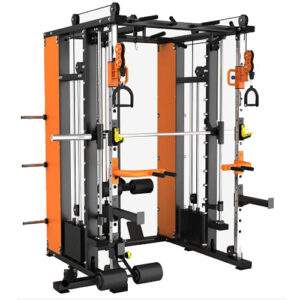
Strength training enthusiasts often turn to the Smith squat machine for its ability to enhance lower body power. This article delves into the comprehensive benefits of incorporating the Smith squat machine into your workout routine, covering advantages, techniques, and commonly asked questions.
What is a Smith Squat Machine?
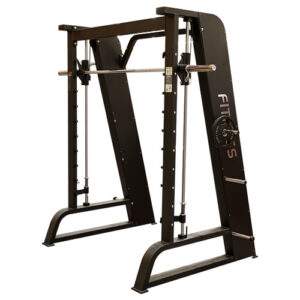
The Smith squat machine stands out as a staple in gyms worldwide, designed to facilitate guided vertical movements during squat exercises. Unlike conventional free weights, this machine features a fixed barbell on a controlled track, providing stability and support throughout the squatting motion.
Benefits of Using the Smith Squat Machine
Enhanced Safety and Stability
One of the primary advantages of the Smith squat machine is its inherent safety features. The fixed path of the barbell reduces the risk of injury compared to free weight squats, making it particularly suitable for beginners or those recovering from injuries. This stability allows lifters to focus on form and technique without the need for a spotter.
Targeted Muscle Engagement
Using the Smith machine enables precise targeting of specific muscle groups within the lower body, including the quadriceps, hamstrings, and glutes. By maintaining a fixed movement pattern, lifters can isolate these muscles more effectively, promoting balanced strength development.
Versatility in Training
Beyond traditional squats, the Smith machine supports a wide array of lower body exercises. From lunges and calf raises to step-ups and Romanian deadlifts, its versatility allows for a comprehensive lower body workout without the need for multiple pieces of equipment.
Controlled Range of Motion
The guided nature of the Smith squat machine ensures a consistent range of motion with each repetition. This control not only enhances muscular endurance but also reduces the risk of overextension or improper form during the exercise.
Progressive Overload Potential
Adjusting the resistance on a Smith machine is straightforward, typically involving the addition of weight plates to the barbell. This ability to implement progressive overload is crucial for continuous strength gains over time, accommodating both beginner and advanced lifters.
Comparison of Smith Machine vs. Free Weight Squats
| Feature | Smith Squat Machine | Free Weight Squats |
|---|---|---|
| Safety & Stability | High | Variable |
| Muscle Engagement | Targeted | Variable |
| Range of Motion | Fixed | Variable |
| Equipment Availability | Gym-based | Anywhere with free weights |
| Learning Curve | Low | Moderate to High |
| Versatility | Moderate (focused on vertical movements) | High (various exercise variations) |
Techniques for Effective Smith Squatting
Proper Foot Placement
Begin by positioning your feet shoulder-width apart under the barbell. Ensure they are firmly planted on the ground throughout the exercise to maintain balance and stability.
Barbell Positioning
Place the barbell across your upper back and shoulders, gripping it with an overhand grip slightly wider than shoulder width. This positioning supports proper posture and alignment during the squat.
Controlled Descent and Ascent
Initiate the squat by bending your knees and hips simultaneously, keeping your chest up and back straight. Lower yourself until your thighs are parallel to the ground, then push through your heels to return to the starting position, maintaining control throughout the movement.
Common Mistakes to Avoid
Locking Knees at the Top
Resist the urge to lock your knees at the top of the squat. Instead, maintain a slight bend to keep tension in the muscles and prevent unnecessary strain on the joints.
Leaning Too Far Forward
Maintain an upright torso throughout the squatting motion to distribute the weight evenly. Avoid leaning too far forward, which can place excessive stress on the lower back and compromise form.
Tips for Maximizing Smith Squat Benefits
Incorporate Variations
Explore different foot placements, such as wider stances or toes pointed slightly outward, to target various muscle groups effectively. Varying the depth of your squats can also add variety and challenge to your workouts.
Conclusion
In conclusion, the Smith squat machine is a valuable tool for building lower body strength and power in a safe and controlled manner. By understanding its benefits, mastering proper techniques, and avoiding common pitfalls, individuals can optimize their workout routines and achieve their fitness goals effectively.
FAQ
Q: Is the Smith squat machine suitable for beginners?
A: Yes, the guided barbell path makes it ideal for beginners to learn proper squatting form safely.
Q: Can the Smith machine replace free weight squats entirely?
A: While it provides stability, incorporating both Smith machine squats and free weight squats offers a balanced approach to strength training.
Q: How often should I use the Smith squat machine in my workout routine?
A: Incorporate it based on your training goals, typically 1-3 times per week, depending on your overall program.