
Welcome to My Blog!
Before we dive into the content, I’d love for you to join me on my social media platforms where I share more insights, engage with the community, and post updates. Here’s how you can connect with me:
Facebook:https://www.facebook.com/profile.php?id=61553215985287
LinkedIn:https://www.linkedin.com/showcase/99329941/admin/dashboard/
Tiktok:www.tiktok.com/@shandongvitalfitness
Now, let’s get started on our journey together. I hope you find the content here insightful, engaging, and valuable.
Table of Contents
Introduction
To optimize your gym, selecting the right gym equipment barbell is crucial. This foundational strength training tool directly impacts member experience and your facility’s reputation. Commercial settings demand barbells built to withstand constant, heavy use, deliver consistent performance, and ensure a safe training environment. Investing wisely means choosing durable, high-quality barbells that benefit both your business and your members.
Vital understands the unique needs of commercial fitness spaces. As an ISO/CE certified professional fitness equipment supplier, we offer a comprehensive range of cardio and strength training solutions for clubs and studios. We provide tailored products and services to fitness enthusiasts, ensuring you make an informed investment in the best gym equipment barbell for your facility.
Understanding Commercial Barbell Needs
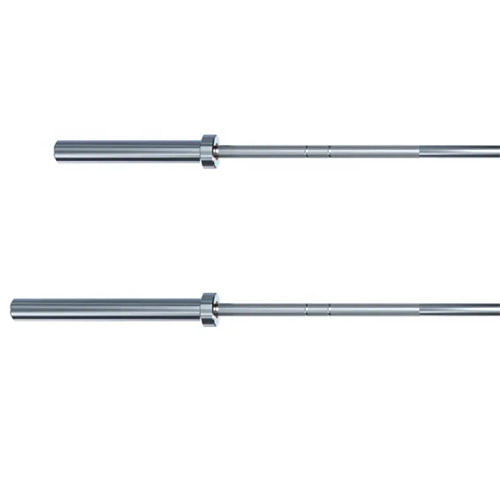
Commercial gyms differ significantly from home gyms in terms of equipment usage. A gym equipment barbell in a commercial setting will be subjected to far greater stress, higher frequency of use, and a wider range of users, each with varying levels of experience and strength. This necessitates a barbell that is built for durability, performance, and safety above all else.
Durability and Material
The longevity of your gym equipment barbell is paramount. Commercial barbells are typically made from high-strength steel alloys designed to resist bending, breaking, and corrosion. The tensile strength of the steel, measured in pounds per square inch (PSI), is a key indicator of a barbell’s durability. A higher PSI rating indicates a stronger, more resistant bar. Chrome, black oxide, and cerakote are common coatings used to protect the bar from rust and wear, extending its lifespan and maintaining its aesthetic appeal.
Weight Capacity
A commercial gym equipment barbell must be able to handle substantial weight. While most standard barbells can hold a decent amount of weight, commercial-grade barbells are specifically engineered to accommodate heavier loads, often exceeding 1,000 pounds. This is crucial for powerlifting, Olympic lifting, and strongman training, which are popular disciplines in many gyms.
Knurling
Knurling refers to the cross-hatch pattern etched into the shaft of the barbell, providing grip. For a commercial gym equipment barbell, the knurling needs to be effective but not overly aggressive, striking a balance between secure grip and user comfort. Different types of knurling exist, from fine to aggressive, and the placement of the knurling marks also varies, catering to different lifting styles and exercises.
Spin and Bearings
The “spin” of the sleeves (the ends of the barbell where weight plates are loaded) is particularly important for Olympic weightlifting. A good spin allows the weight plates to rotate independently of the bar during lifts like the snatch and clean and jerk, reducing rotational force on the lifter’s wrists and preventing injury. Commercial gym equipment barbells often utilize high-quality bearings (such as needle bearings or bronze bushings) to facilitate smooth and consistent spin.
Types of Gym Equipment Barbells for Commercial Use
While the term “barbell” might seem generic, there are several specialized types of gym equipment barbells, each designed for specific purposes and training methodologies.
Olympic Barbells
Olympic barbells are the most common type found in commercial gyms. They are standardized in length (2.2 meters for men, 2.01 meters for women) and weight (20 kg for men, 15 kg for women). They feature sleeves that rotate freely, making them ideal for Olympic lifts. The steel quality and bearing system are crucial aspects of an Olympic gym equipment barbell.
Powerlifting Barbells
Powerlifting barbells are designed for the “big three” lifts: squat, bench press, and deadlift. They are generally stiffer than Olympic barbells, with less whip (flex) and more aggressive knurling for a secure grip. The sleeves on a powerlifting gym equipment barbell typically have less spin than Olympic barbells as rotational movement is less critical for these lifts.
Specialty Barbells
Beyond standard Olympic and powerlifting bars, several specialty gym equipment barbells cater to specific training needs:
- Trap Bars (Hex Bars): These hexagonal-shaped bars allow lifters to stand inside the bar, offering a more upright deadlift position that reduces stress on the lower back.
- Safety Squat Bars: Featuring padded yokes and handles, these bars distribute the weight more evenly across the back and shoulders, making squats safer and more comfortable, especially for individuals with shoulder mobility issues.
- Curl Bars (EZ Curl Bars): Designed with an undulating shape, curl bars reduce stress on the wrists and elbows during bicep curls and tricep extensions.
- Fat Bars: With a thicker diameter, fat bars challenge grip strength more intensely, leading to greater muscle activation in the forearms and hands.
Key Considerations for Choosing a Gym Barbell
When investing in a gym barbell for your commercial fitness facility, it is essential to conduct a thorough evaluation. Here are some of the parameters of gym barbells:
| Parameter | |
| Product Name | Olympic Olympic Barbells |
| Material | The grip is made of 42CrMo (chrome molybdenum) Heat-treated alloy steel seamless steel pipe, both sleeves are made of fine |
| Number of bearings | 10pcs、5pcs per side |
| Copper sleeve quantity: | 2pcs、5pcs per side |
| Net weight: | 20KG士1% |
| Loading Bearing | 2000 pound |
Maximizing the Lifespan of Your Gym Equipment Barbell
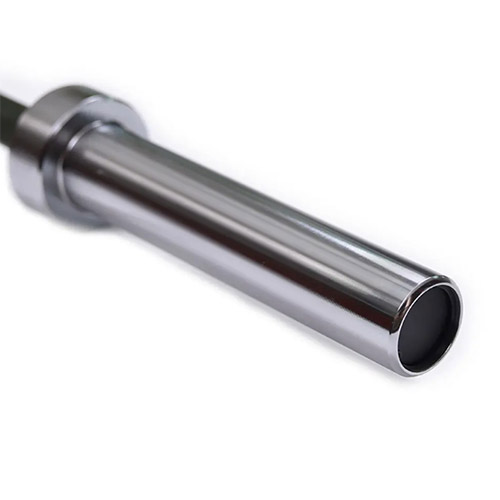
Even the highest quality gym equipment barbell requires proper care to ensure its longevity and performance.
Regular Cleaning
Sweat and chalk can corrode the bar over time. Regular cleaning with a stiff brush and a light oil (like 3-in-1 oil or WD-40) can prevent rust and maintain the knurling. This is especially important for barbells used frequently in a commercial gym environment.
Proper Storage
Never store barbells loaded with weights. This can cause the bar to warp or take on a permanent bend over time, compromising its integrity. Utilize horizontal or vertical barbell storage racks to keep your gym equipment barbells organized and protected when not in use.
Avoid Dropping on Uneven Surfaces
While Olympic barbells are designed to be dropped, consistently dropping them on uneven surfaces or without proper bumper plates can damage the bar or the flooring. Educate your members on proper lifting etiquette and ensure adequate flooring in your lifting areas.
Routine Inspection
Periodically inspect each gym equipment barbell for any signs of wear, such as bending, excessive rust, or bearing issues. Addressing minor issues promptly can prevent them from escalating into major problems that necessitate replacement.
Conclusion
Choosing the right gym equipment barbell for your commercial facility is a strategic decision that affects efficiency, member satisfaction, and the bottom line. Prioritizing durability, performance and safety ensures a long-term return on your investment. Understanding barbell types, features and maintenance is key to making an informed choice.
Vital is committed to providing top-of-the-line fitness equipment that meets the rigors of the commercial environment. Our ISO/CE certified products are designed to provide superior performance and longevity, offering customized solutions for health clubs and private studios. Invest in the best fitness equipment barbells for your gym so that your members can achieve their fitness goals safely and effectively. To learn more about our extensive range of fitness equipment and customized solutions, contact us today!
FAQ
What is the most important factor when choosing a gym equipment barbell for a commercial gym?
Durability and tensile strength are arguably the most important factors. A commercial gym equipment barbell will be subjected to constant, heavy use, so it must be able to withstand significant stress without bending or breaking. Look for a tensile strength of at least 180,000 PSI.
How often should I clean my gym equipment barbell?
For a commercial gym, it’s recommended to clean your barbells at least once a week, or more frequently if they are heavily used. Regular cleaning removes sweat and chalk, preventing rust and maintaining the integrity of the knurling.
What’s the difference between an Olympic barbell and a powerlifting barbell?
The main differences lie in their flexibility (whip) and sleeve spin. Olympic barbells have more whip and freely rotating sleeves to facilitate dynamic lifts like snatches and clean and jerks. Powerlifting barbells are stiffer with less whip and less sleeve spin, designed for static lifts like squats, bench presses, and deadlifts.
How can I prevent my gym equipment barbell from rusting?
Regular cleaning with a stiff brush and a light oil, proper storage (never loaded with weights), and ensuring your gym environment isn’t excessively humid can all help prevent rust on your gym equipment barbell. The type of coating on the bar also plays a significant role in rust resistance.