
Table of Contents
Introduction
Selecting the best exercise treadmill is not just about buying a machine; it’s about making an investment in your fitness and health. A high-quality treadmill can support everything from low-impact cardio to high-intensity interval training, helping you achieve goals efficiently while minimizing injury risks. Research from the International Fitness Equipment Association shows that proper setup and maintenance can extend treadmill lifespan by up to 30%, protecting your investment. In this guide, we’ll walk you through setup, optimal usage, maintenance tips, and purchasing considerations, empowering you to make informed decisions.
Setting Up Your Best Exercise Treadmill
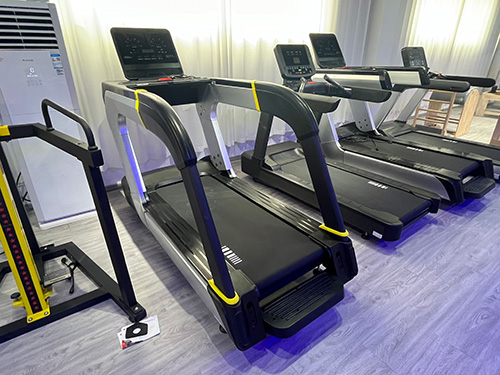
Unboxing and Assembly
When you first receive your treadmill, carefully unpack all components and verify that nothing is damaged. Most commercial and high-end home treadmills include:
- Frame and base
- Running belt and deck
- Console with display panel
- Safety key and emergency clip
Follow the manufacturer instructions for assembly, ensuring screws and bolts are tightened according to the torque specifications.
Placement and Safety Considerations
Proper placement is crucial for safety and performance. Consider:
- Space: leave at least 1 meter on each side and 2 meters behind the treadmill
- Surface: use a non-slip mat to protect flooring and reduce vibration
- Power: a dedicated outlet with proper voltage to avoid electrical hazards
Initial Calibration and Testing
After assembly, perform an initial test run. Check that:
- The belt is aligned and centered
- Speed and incline functions operate smoothly
- The emergency stop mechanism works correctly
Using Your Treadmill Effectively

Warm-Up and Cool-Down
Starting with a 5–10 minute warm-up at low speed increases blood flow and reduces injury risk. Cool down with a similar low-speed walk or stretch routine.
Training Programs and Intensity
A treadmill is versatile for different training goals:
- High-Intensity Interval Training (HIIT): Short bursts of 1–2 minutes at 80–90% max speed, followed by recovery
- Steady-State Cardio: Moderate speed for longer sessions, ideal for endurance
- Incline Walking or Running: Engages glutes, hamstrings, and calves while burning extra calories
Calorie Burn Comparison Table
| Workout Type | Duration | Avg Speed | Avg Calorie Burn |
|---|---|---|---|
| HIIT Sprint | 20 min | 10 mph | 250–350 kcal |
| Steady-State Cardio | 30 min | 6 mph | 200–250 kcal |
| Incline Walking | 25 min | 4 mph | 180–220 kcal |
Data is based on standardized treadmill energy expenditure studies.
Essential Maintenance for Longevity
Daily Maintenance
- Wipe down console, handrails, and touchpoints
- Inspect the running belt for debris and fraying
Weekly Maintenance
- Vacuum under and around the treadmill
- Check bolts and screws, especially on the frame and motor housing
Monthly and Seasonal Checks
- Lubricate the belt with manufacturer-recommended silicone or Teflon lubricant
- Inspect motor, rollers, and control board
- Replace worn components like belts, incline motors, or sensors
Troubleshooting Common Issues
Belt Slipping or Misalignment
Signs include:
- Belt drifting to one side
- Slipping during high-speed runs
- Uneven wear patterns
Adjustment steps:
- Use hex wrench to tweak rear roller tension incrementally
- Check belt centering by walking slowly and observing alignment
Noise or Vibration
- Ensure screws and bolts are tightened
- Lubricate running belt and deck
- Inspect motor bearings for wear
Display or Sensor Malfunctions
- Reset the treadmill by turning off the power, unplugging it, waiting 2–5 minutes, and then restarting it.
- Check connections for console cables and safety sensors
Comparing Best Exercise Treadmill Features For Smart Buying Decisions
| Feature | Entry-Level Treadmill | Commercial Treadmill | High-End Home Treadmill |
|---|---|---|---|
| Max Speed (mph) | 10 | 12 | 12–15 |
| Incline Range (%) | 0–10 | 0–15 | 0–20 |
| Motor Power (HP) | 2.0 | 3.0 | 3.5–4.0 |
| Max User Weight (kg) | 120 | 150 | 150–180 |
| Maintenance Frequency | Weekly | Biweekly | Weekly |
This table helps you evaluate which treadmill suits your space, intensity, and durability needs.
Conclusion
Owning a high-quality treadmill ensures effective training and long-term performance. By understanding setup, usage, and maintenance, you can extend its lifespan and optimize your workouts. Ready to elevate your fitness environment? Contact Shandong Vital Fitness Equipment Co., Ltd. today to explore our best exercise treadmill models. Our experts can guide you through setup, training programs, and maintenance tips to ensure your treadmill investment pays off.
FAQ
How often should I lubricate my best exercise treadmill?
Typically every 3–6 months depending on usage; heavy commercial use may require monthly lubrication.
What speed should a beginner start at?
3–5 mph for walking, gradually increasing as endurance improves.
Can incline running reduce knee strain?
Yes, incline engages glutes and hamstrings more, reducing repetitive knee impact.
How do I know if the best exercise treadmill belt needs replacement?
Look for fraying edges, uneven movement, or slipping despite proper tension.
Is it safe to use the best exercise treadmill for HIIT every day?
HIIT should be limited to 2–3 sessions per week, alternating with lower-intensity workouts for recovery.