
Welcome to My Blog!
Before we dive into the content, I’d love for you to join me on my social media platforms where I share more insights, engage with the community, and post updates. Here’s how you can connect with me:
Facebook:https://www.facebook.com/profile.php?id=61553215985287
LinkedIn:https://www.linkedin.com/showcase/99329941/admin/dashboard/
Tiktok:www.tiktok.com/@shandongvitalfitness
Now, let’s get started on our journey together. I hope you find the content here insightful, engaging, and valuable.
Introduction
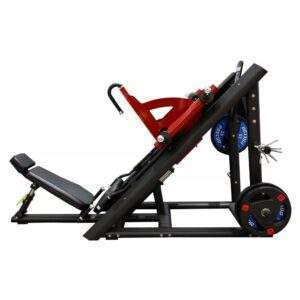
The linear leg press machine has become a staple in gyms and fitness facilities around the world, offering a unique way to target the lower body muscles. This machine is designed to enhance leg strength and muscle development while ensuring safety and stability during workouts. In this blog, we will explore the benefits of using a linear leg press machine, the muscles it targets, how to use it effectively, and why it should be a part of your fitness routine.
What is a Linear Leg Press Machine?
A linear leg press machine is a specialized piece of fitness equipment that allows users to perform leg press exercises in a controlled manner. It typically features a sled that moves along a linear track, which provides stability and proper alignment during the exercise. Users can adjust the weight according to their fitness levels and goals, making it accessible for both beginners and advanced lifters.
Key Features of Linear Leg Press Machines
| Feature | Description |
|---|---|
| Adjustable Weight | Allows customization based on user strength |
| Linear Track | Provides smooth movement and stability |
| Safety Mechanisms | Ensures safe operation during heavy lifting |
| Ergonomic Design | Promotes proper form and reduces injury risk |
| Versatile Footplate | Supports various foot positions for targeting different muscles |
Benefits of Using a Linear Leg Press Machine
Targeted Muscle Development
One of the primary benefits of the linear leg press machine is its ability to target specific muscle groups in the lower body. This machine primarily works the following muscles:
- Quadriceps: The main muscles at the front of your thighs.
- Hamstrings: The muscles at the back of your thighs.
- Glutes: The major muscles in your buttocks.
- Calves: The muscles located at the back of your lower legs.
By adjusting foot placement and weight, users can emphasize different muscles, allowing for comprehensive lower body training.
Safety and Stability
The linear leg press machine is designed with safety features that make it a safer option compared to free weight exercises. The sled is guided along a track, which helps maintain proper alignment and reduces the risk of injury. Additionally, users can perform leg presses without a spotter, making it a suitable option for those who may train alone.
Joint-Friendly
Unlike some traditional squat exercises, the linear leg press machine minimizes stress on the joints. The design allows for a more controlled movement, reducing the impact on the knees and lower back. This is especially beneficial for individuals with pre-existing joint issues or those recovering from injuries.
Enhanced Muscle Isolation
Using the linear leg press machine allows for greater muscle isolation compared to other leg exercises. This isolation is crucial for those looking to build specific muscle groups or improve strength imbalances. By focusing on one muscle group at a time, users can enhance their overall leg development.
Versatility in Workouts
The linear leg press machine can be incorporated into various workout routines. Whether you’re following a strength training program, a bodybuilding regimen, or a rehabilitation plan, this machine can adapt to different goals. Additionally, users can modify foot placement to target different muscles, making it a versatile tool for leg workouts.
Suitable for All Fitness Levels
The adjustable weight feature of the linear leg press machine makes it suitable for individuals at all fitness levels. Beginners can start with lighter weights to build strength and confidence, while advanced lifters can increase resistance to challenge their muscles further. This inclusivity makes it an excellent choice for gyms and fitness centers.
Efficiency in Workouts
For those with limited time for workouts, the linear leg press machine offers an efficient way to target multiple muscle groups in a single exercise. By focusing on lower body strength in a controlled manner, users can maximize their workout efficiency and achieve results faster.
Muscle Groups Targeted by the Linear Leg Press Machine
| Muscle Group | Primary Action |
|---|---|
| Quadriceps | Extending the knee during the press |
| Hamstrings | Assisting in knee flexion and hip extension |
| Glutes | Engaging during the pressing motion |
| Calves | Stabilizing the movement and aiding propulsion |
How to Use the Linear Leg Press Machine
Adjust the Seat and Footplate
Before using the machine, adjust the seat and footplate to ensure proper alignment. Sit on the machine and position your back against the pad. Your feet should be flat on the footplate, shoulder-width apart.
Set the Weight
Select an appropriate weight for your fitness level. Start with a lighter weight if you’re new to the exercise, gradually increasing it as you become more comfortable.
Position Your Feet
Experiment with foot placement on the footplate. A higher foot position targets the glutes and hamstrings, while a lower position emphasizes the quadriceps.
Execute the Movement
Push through your heels to extend your legs and lift the weight, keeping your back pressed against the seat. Avoid locking your knees at the top of the movement, then lower the weight in a controlled manner.
Maintain Proper Form
Throughout the exercise, focus on maintaining proper form. Keep your core engaged, and avoid arching your back or lifting your hips off the seat.
Common Mistakes to Avoid
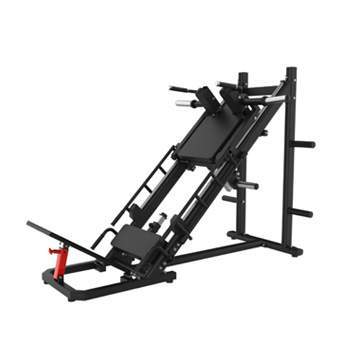
While using the linear leg press machine, avoid the following common mistakes to ensure safety and effectiveness:
Using Too Much Weight
Starting with excessive weight can lead to poor form and potential injuries. Always choose a manageable weight that allows you to complete the desired number of repetitions with good form.
Locking the Knees
Locking your knees at the top of the movement can put unnecessary strain on the joints. Keep a slight bend in your knees to avoid this issue.
Improper Foot Placement
Incorrect foot placement can lead to muscle imbalances and increase the risk of injury. Ensure your feet are positioned correctly on the footplate to target the intended muscle groups.
Not Engaging the Core
Failing to engage your core can lead to poor stability and form. Keep your core tight throughout the exercise to maintain proper alignment.
Conclusion
Incorporating a linear leg press machine into your workout routine offers numerous benefits, from targeted muscle development to enhanced safety and efficiency. Whether you’re a beginner looking to build strength or an advanced lifter aiming to isolate specific muscle groups, this machine can help you achieve your fitness goals. By understanding how to use the linear leg press machine effectively and avoiding common mistakes, you can maximize your workout and enjoy the many advantages it has to offer.
FAQ
What is a linear leg press machine?
A linear leg press machine is a piece of fitness equipment designed to allow users to perform leg presses in a controlled manner, targeting the lower body muscles.
What muscles does the linear leg press machine target?
The linear leg press machine primarily targets the quadriceps, hamstrings, glutes, and calves.
Is the linear leg press machine suitable for beginners?
Yes, the adjustable weight feature makes the linear leg press machine suitable for individuals at all fitness levels, including beginners.
How should I position my feet on the machine?
Foot placement can vary based on the targeted muscle group. A higher foot position emphasizes the glutes and hamstrings, while a lower position targets the quadriceps.
Can the linear leg press machine help with joint issues?
Yes, the machine minimizes stress on the joints, making it a safer option for individuals with pre-existing joint issues or those recovering from injuries.