
In the gym, the bench press is considered one of the most fundamental and effective strength training exercises. It not only helps build chest muscles but also strengthens the shoulders and triceps. Whether you’re a fitness beginner or an experienced lifter, the bench press is an essential part of any workout routine. However, many people spend a lot of time and energy on the bench press without seeing optimal results, or worse, they risk injury. This is mainly due to common mistakes in form and technique that prevent effective training and lead to unnecessary harm.
This article will focus on how to avoid these common bench press mistakes, while providing scientifically-backed training tips to help you maximize your results, increase strength, and promote muscle growth.
Table of Contents
1.Understanding the Importance of Proper Bench Press Form
To achieve significant results in the bench press, maintaining proper form is essential. Whether you’re a novice or an experienced lifter, consistently executing the correct technique is key to ensuring effective training and minimizing injury risks. Many people often ignore proper form in their eagerness to lift heavier weights or complete more repetitions, which leads to poor results and potential harm.
Correct form ensures that each movement effectively activates the chest, shoulders, and triceps without placing undue stress on other parts of the body, such as the shoulders, back, or wrists. To maximize your bench press results, here are a few basic guidelines to follow:
- Feet flat on the ground for stability; avoid keeping your feet in the air.
- Chest naturally lifted with your scapula retracted to ensure your back stays in contact with the bench.
- Elbows should be aligned with the shoulders, ensuring proper force distribution through the chest.
2.Common Bench Press Mistakes to Avoid

When performing the bench press, many common mistakes can affect your results and even increase the risk of injury. Below are some of the most frequent errors and how to avoid them to ensure safety and maximize effectiveness.
Mistake #1: Incorrect Hand Placement
Placing your hands too wide or too narrow affects the control of the barbell, especially increasing shoulder stress, which may cause discomfort or injury. Many beginners place their hands too wide, making it difficult to lower the barbell smoothly and compromising stability.
Solution: Your hand placement should be roughly shoulder-width apart. For better barbell control and even force distribution, avoid placing your hands too wide or too narrow. Ideally, place your palms in the center of the barbell with your elbows aligned with your shoulders, ensuring a proper chest activation.
Mistake #2: Bouncing the Bar off Your Chest
This is a very common mistake, especially when training with heavy weights. Many people tend to bounce the bar off their chest to take advantage of momentum, but this not only reduces training effectiveness but also increases the risk of shoulder injuries.
Solution: The correct method is to lower the bar slowly and steadily to just above the chest, then use chest power to push it back up. Avoid using any “bounce” to lift the barbell, maintaining control throughout the movement.
Mistake #3: Lifting with Your Shoulders Instead of Your Chest
Many people mistakenly focus on lifting with their shoulders rather than using their chest muscles during the bench press. This not only reduces the effectiveness of the chest workout but also puts unnecessary strain on the shoulders.
Solution: Keep your shoulders retracted and focus on using your chest to generate force. By concentrating on the chest contraction, you will better activate the chest muscles and reduce the risk of shoulder injury.
Mistake #4: Arching the Back Excessively
Overarching the back is another common mistake. Many lifters unconsciously arch their backs to help lift heavier weights, but this excessive curvature affects stability and can cause lower back injuries.
Solution: Ensure that your back maintains a natural curve, not excessively arched. Keep your core engaged to stabilize your spine, ensuring smooth and controlled movements.
Mistake #5: Not Using Full Range of Motion
Many people don’t lower the barbell fully, which results in an incomplete range of motion. This limits the activation of the chest muscles and reduces the overall effectiveness of the exercise.
Solution: Ensure that the barbell is lowered to touch your chest, with your elbows slightly below shoulder level. This helps fully engage your chest and shoulders for optimal muscle activation.
3. Maximizing Your Bench Press Results
Focus on Progressive Overload
To improve your bench press performance, you need to gradually increase the weight. By progressively adding more weight, you challenge your muscles and promote growth. Each time you train, you can slightly increase the weight to ensure that your muscles continue to adapt to the new load, thereby increasing strength and muscle development.
Tip: Gradually increase the weight during each session while maintaining proper form. Avoid adding too much weight too quickly, as it could compromise your technique.
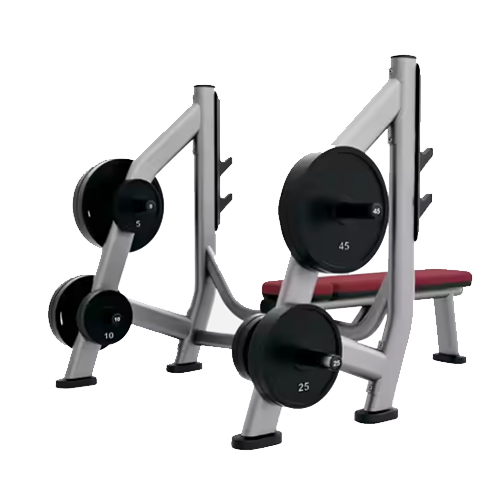
Use the Right Equipment for Your Training
If you’re training at home, using a bench press machine or other professional equipment can help you maintain proper form, especially when lifting heavy weights. A bench press machine can offer additional support and ensure that you execute each rep with better stability, reducing the risk of improper movements and injury.
Incorporate Accessory Exercises
In addition to the regular bench press, incorporating accessory exercises like dumbbell flyes, push-ups, and shoulder training can significantly enhance your chest, shoulders, and triceps strength, which in turn improves your bench press performance.
4. Breathing Technique During the Bench Press
Correct breathing is crucial to supporting your performance during the bench press. Typically, you should inhale as you lower the barbell and exhale as you push it back up. Maintaining a steady breathing rhythm helps provide the necessary power to complete each rep effectively.
5. Safety Tips and Using a Spotter
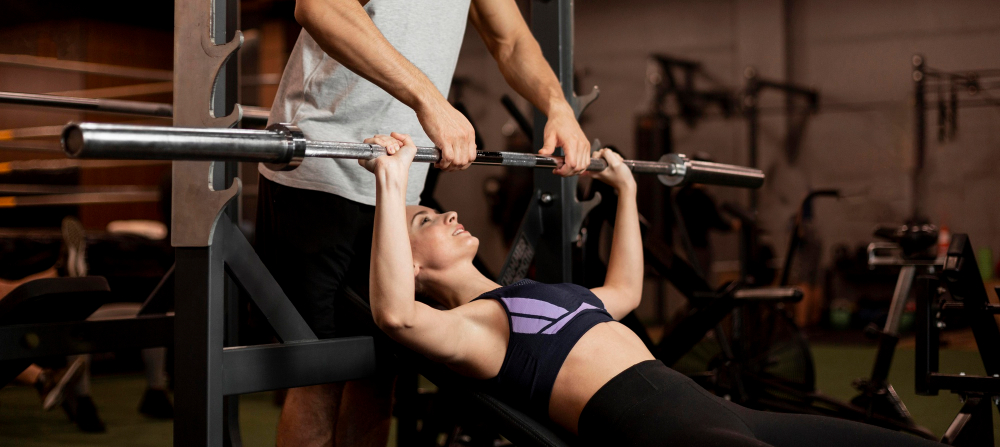
When performing heavy bench press exercises, safety is paramount. It’s essential to have a training partner act as a spotter, especially when lifting heavy weights. A spotter can assist if you struggle to lift the barbell or if the barbell starts to slip, ensuring that you avoid accidents.
6. Conclusion
By avoiding the common mistakes mentioned above, you can reduce the risk of injury and maximize the effectiveness of your bench press. Maintaining proper form, gradually increasing weight, using appropriate training equipment such as a bench press machine, and incorporating accessory exercises will all help you achieve better results. Remember, consistency, proper technique, and recovery are the keys to improving your bench press performance and strength.