
Welcome to My Blog!
Before we dive into the content, if you’re interested in our products or have any questions, please feel free to visit our Contact Us page on the website. Our team is ready to assist you with inquiries, orders, or any support you may need.
Now, let’s get started on our journey together. I hope you find the content here insightful, engaging, and valuable.
Table of Contents
Introduction
The world of aerobic equipment is evolving faster than ever. From connected treadmills that track real-time metrics to compact stair climbers and interactive surfing machines, cardio training has entered a new era of performance and precision.
For gym and studio owners, understanding these innovations is more than a purchasing decision—it’s about creating engaging, efficient, and profitable training environments. This guide explores the core categories of aerobic equipment, helps you plan your gym layout, and offers expert advice on maintenance, customization, and long-term operation.
sdvital, a professional fitness equipment manufacturer and supplier, provides a full range of aerobic and strength training solutions. Whether you’re setting up a boutique studio or upgrading a commercial facility, this article will help you make data-driven, future-ready choices.
What Is Aerobic Equipment?
Aerobic equipment refers to cardio-focused training machines that improve cardiovascular endurance, oxygen efficiency, and total-body fitness. These machines typically engage large muscle groups rhythmically and continuously, making them essential for fat loss, stamina development, and recovery programs.
Common Elements of Modern Aerobic Equipment
- Adjustable resistance and incline control
- Digital consoles with Bluetooth and IoT connectivity
- Compact, space-saving frames for commercial gyms
- Durable materials designed for 24-hour use
- Energy-efficient, low-maintenance drive systems
From beginner-friendly to elite-level training, aerobic equipment is now a cornerstone of both personal and group fitness programs.
Why Aerobic Equipment Matters for Gym Owners
Boost Member Retention and Engagement
Modern cardio equipment allows for smart tracking, interactive classes, and personalized feedback—all key to keeping members engaged and loyal.
Expand Training Diversity
By incorporating multiple types of aerobic equipment, you can design targeted zones: fat-burning treadmills, endurance-focused rowing machines, and balance-enhancing surfing machines.
Improve Space Utilization
Compact and modular designs allow owners to fit more functional training capacity within limited floor space—perfect for both boutique studios and full-scale commercial gyms.
Types of Aerobic Equipment in 2025
Treadmills: Power and Performance
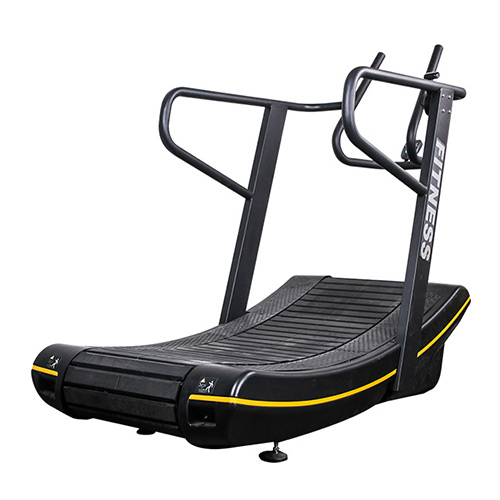
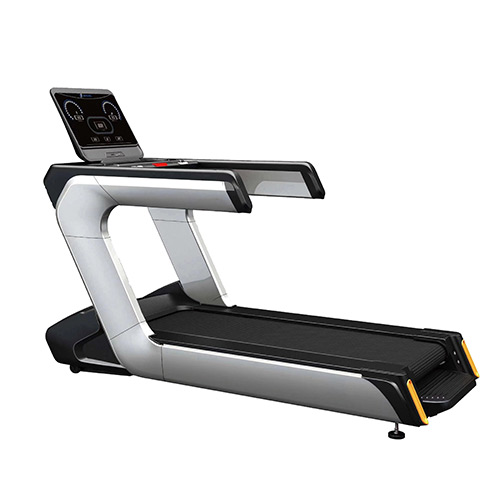
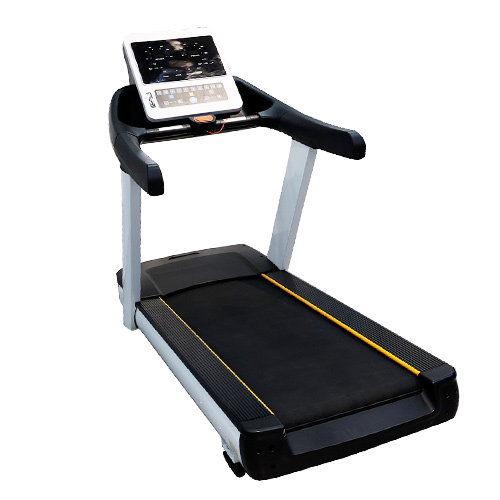
Fast and wireless treadmills are now the centerpiece of many cardio zones. With higher speed ranges (up to 20 km/h), improved shock absorption, and IoT integration, they allow users to run safely and efficiently.
They’re ideal for:
- Interval and sprint training
- Warm-ups before strength workouts
- Heart-rate-based endurance sessions
Spinning Bikes: Consistency and Rhythm
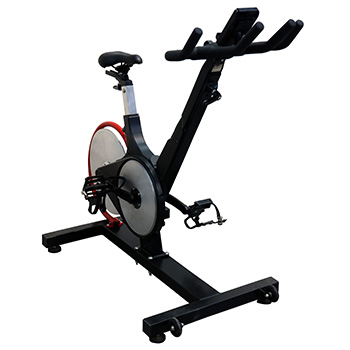

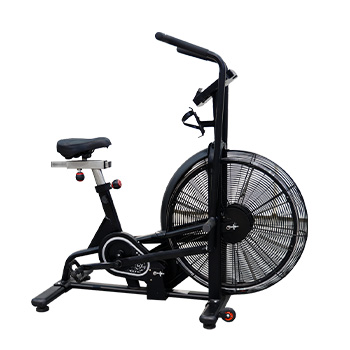
Spinning bikes provide a smooth, low-impact ride that replicates road cycling. Adjustable resistance and real-time RPM metrics allow trainers to guide classes through endurance climbs or power sprints.
Key benefits include:
- Joint-friendly cardio for all ages
- Easy group synchronization with music BPM
- Compact footprint and low maintenance
Elliptical Machines: Full-Body Efficiency
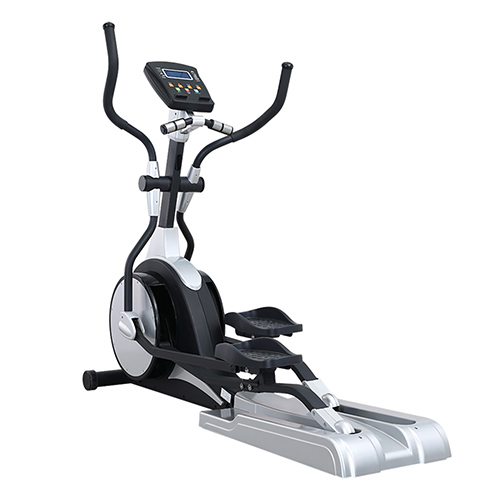

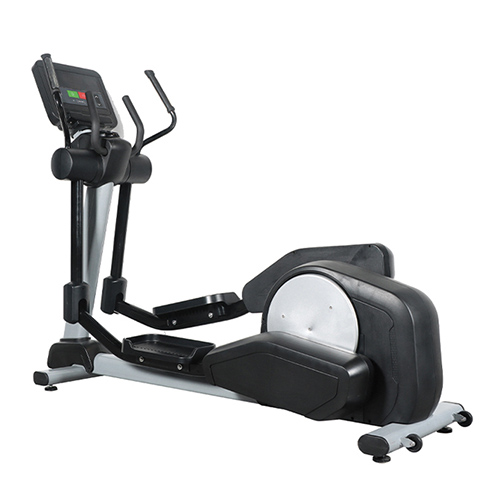
Elliptical machines deliver a low-impact, total-body workout by combining upper- and lower-body motion. Their natural stride pattern reduces stress on knees and hips while maintaining a high calorie burn.
Rowing Machines: Strength Meets Cardio
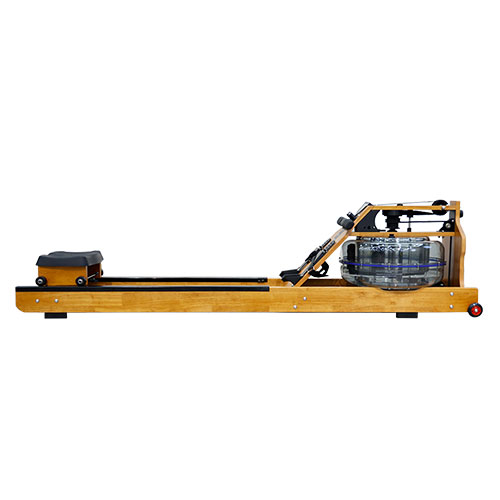
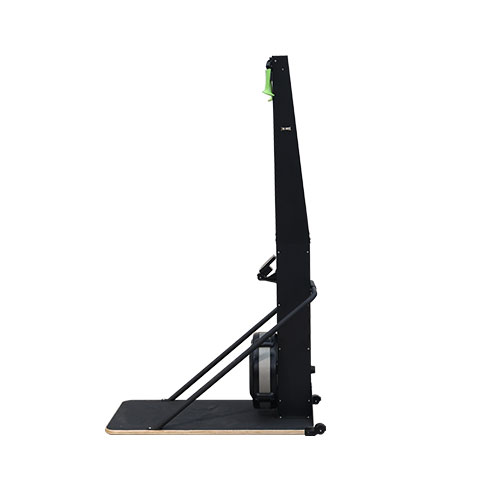
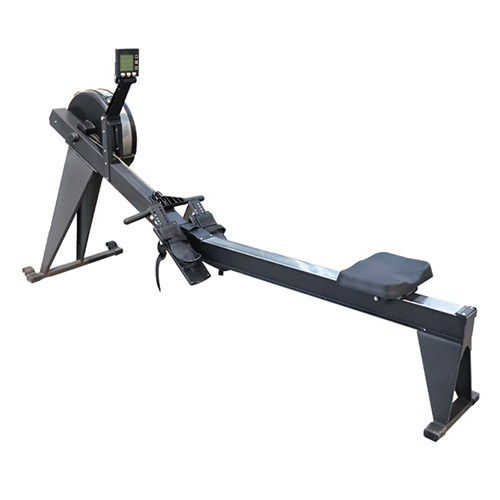
Rowing machines blend aerobic and anaerobic training. The pulling motion strengthens the back, core, and legs while delivering one of the most efficient calorie burns per minute.
Stair Climbers: Compact Vertical Training
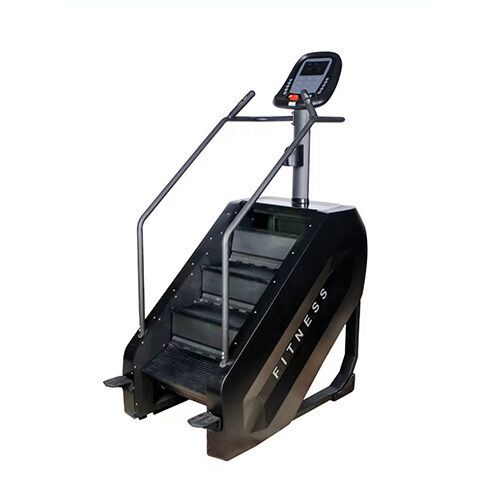
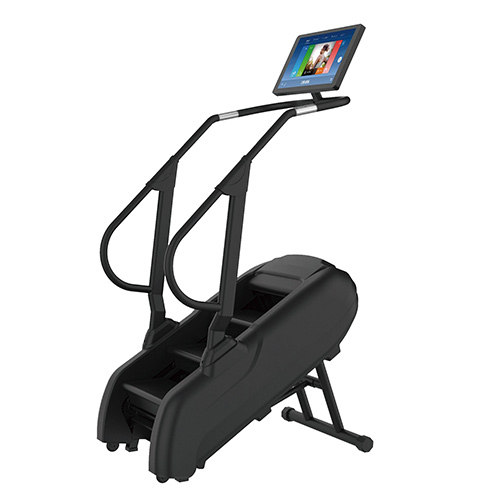
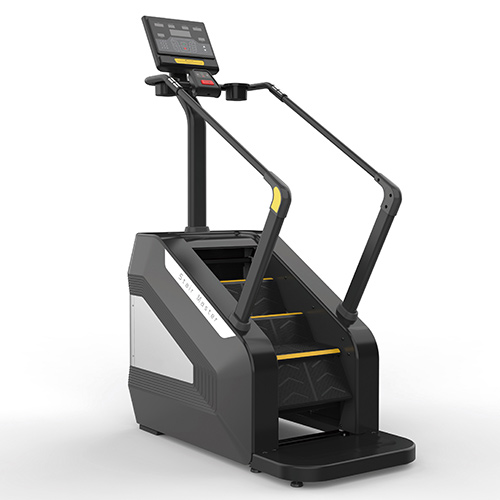
Stair climbers are space-saving aerobic equipment solutions that simulate real stair climbing. They’re excellent for strengthening the quads, glutes, and calves while maintaining cardiovascular intensity.
Surfing Machines: Functional and Fun
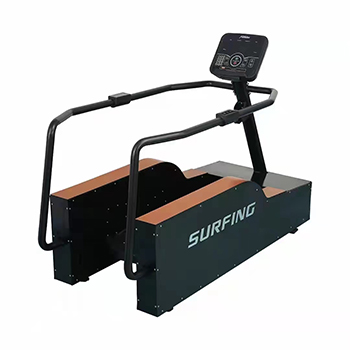
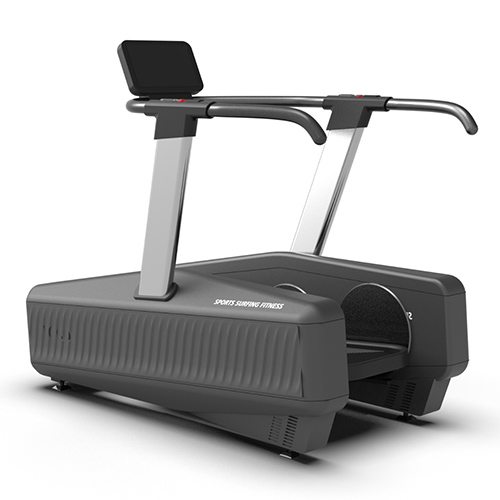
Surfing machines are the rising stars of 2025. Designed for core stability and balance, they engage the abs, obliques, and stabilizing muscles. Ideal for small-group classes, they bring variety and fun to traditional cardio spaces.
Key Features to Look for in Aerobic Equipment
When investing in professional-grade machines, consider the following factors:
- Motor Power & Resistance System – Brushless or air-resistance systems ensure smoother operation.
- Frame Stability – Commercial-grade steel construction for durability.
- Connectivity – Integration with apps, wearables, and smart consoles.
- User Comfort – Ergonomic grips, adjustable handles, and anti-slip platforms.
- Maintenance Access – Easy-to-lubricate systems and quick-replace parts.
- Customization Options – Frame colors, logos, and digital interfaces for branding.
Comparison Table: Aerobic Equipment Overview
| Equipment Type | Main Muscles Worked | Ideal For | Space Needed | Training Intensity |
|---|---|---|---|---|
| Treadmill | Legs, core, glutes | HIIT & sprints | 2 m² | High |
| Spinning Bike | Legs, cardiovascular | Endurance rides | 1.5 m² | Moderate |
| Elliptical | Full-body | Low-impact workouts | 2 m² | Moderate |
| Rowing Machine | Back, arms, legs | Strength + cardio mix | 2.2 m² | High |
| Stair Climber | Quads, glutes | Lower-body focus | 1 m² | Moderate-High |
| Surfing Machine | Core, balance | Functional training | 1.2 m² | Variable |
Gym Layout Planning with Aerobic Equipment
Space Allocation
For a 100 m² commercial gym, allocate:
- 40% to aerobic equipment
- 40% to strength and free-weight zones
- 20% to recovery and stretching areas
Flow Optimization
Position high-intensity machines (treadmills, climbers) near ventilation sources.
Group low-impact machines (ellipticals, bikes) for quieter areas or studio-style setups.
Power & Ventilation
Ensure stable power outlets (220V) and at least 3 air changes per hour to maintain comfort during peak sessions.
Maintenance and Care Tips
Daily Checklist
- Wipe down consoles and handles after every session
- Check safety locks and belt tension on treadmills
- Inspect power cables for wear
Weekly Tasks
- Lubricate treadmill belts and spinning bike chains
- Tighten bolts and check resistance systems
- Clean sensors and display screens
Seasonal or Quarterly Tasks
- Replace worn belts or footpads
- Perform full calibration on consoles
- Test connectivity and data sync accuracy
Proper care not only extends equipment life but also ensures consistent performance and safety.
OEM & Customization Options with sdvital
sdvital offers OEM and branding services for professional clients:
- Custom frame colors and finishes
- Laser or UV-printed logos
- Digital console interface with localized languages
- Tailored packaging for international transport
By integrating your brand identity directly into the equipment, you elevate your gym’s image and strengthen client trust.
Conclusion
Aerobic equipment remains the foundation of every modern fitness space—combining efficiency, versatility, and long-term value. Whether it’s a fast treadmill for interval training or a surfing machine for functional balance, each piece contributes to a dynamic and engaging gym experience.
With sdvital’s 2025 lineup of professional aerobic equipment, you can design high-performance, customized, and visually consistent training zones that attract and retain members.
Ready to upgrade your fitness space? Contact us today to get your personalized quotation and discover how sdvital can help you build your next-generation cardio zone.
FAQ
How do I choose the right aerobic equipment mix for my gym?
Start by identifying your clients’ primary goals. Combine high-intensity treadmills and rowing machines for performance training, and include ellipticals or bikes for low-impact users.
How much space should I allocate per machine?
Allow at least 1.5–2 square meters per treadmill or elliptical, and 1 square meter for compact machines like stair climbers or surfing trainers.
What’s the average maintenance cost for aerobic equipment?
Depending on usage, budget 2–4% of the equipment’s total cost annually for parts and servicing.
Can I customize aerobic equipment with my gym’s logo or colors?
Yes. sdvital offers a full range of customization options including frame colors, laser logo printing, and digital branding integration.
Is it possible to integrate cardio data with gym software?
Most 2025 models feature Bluetooth or Wi-Fi connectivity, allowing seamless data sync to member tracking apps and gym management systems.
Need Help Choosing the Right Aerobic Equipment?
If you’re unsure which aerobic equipment best fits your gym, studio, or training facility, our experts at sdvital are here to help. Contact us today for a personalized consultation and discover the ideal combination of treadmills, bikes, and cardio systems for your space. Don’t wait to upgrade—get in touch now to create a safer, smarter, and more efficient fitness environment!