
Introduction
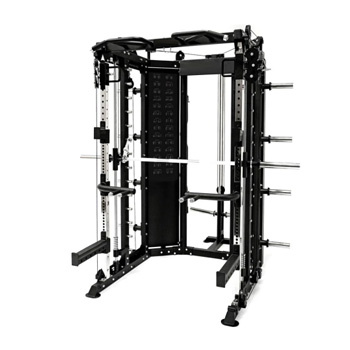
Choosing the right squat rack is a pivotal decision for anyone serious about strength training. Adjustable and fixed squat racks are two prominent options, each offering distinct advantages and considerations. In this comprehensive guide, we delve into the features, benefits, and considerations of adjustable squat racks versus fixed squat racks to help you make an informed decision tailored to your fitness goals and preferences.
Understanding Adjustable Squat Racks
Adjustable squat racks are prized for their versatility and flexibility. They typically feature adjustable heights and sometimes widths, catering to various body types and exercise requirements. This adaptability allows users to perform not only squats but also a range of other exercises such as bench presses, shoulder presses, and even pull-ups with optional attachments.
These racks are designed to accommodate different user heights and exercise variations, making them suitable for both beginners and advanced lifters. However, their versatility often comes with a higher initial cost compared to fixed racks. Additionally, some users may find that the adjustable mechanisms introduce slight compromises in stability compared to their fixed counterparts, although modern designs have significantly improved in this regard.
Exploring Fixed Squat Racks
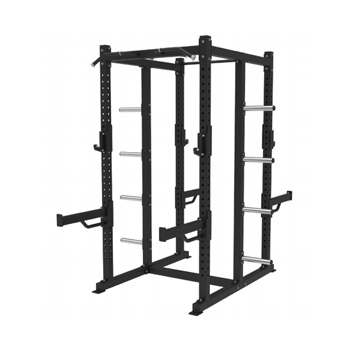
Fixed squat racks are renowned for their robustness and simplicity. Built with a fixed height and sturdy construction, they offer unparalleled stability, making them ideal for heavy lifting. Due to their straightforward design, fixed racks are typically easier to assemble and require minimal maintenance compared to adjustable racks.
One of the primary advantages of fixed squat racks is their affordability. They are generally less expensive than adjustable racks since they lack complex adjustment mechanisms. Fixed racks are particularly suitable for those whose primary focus is on squatting exercises and who prioritize stability and durability over versatility.
Comparison Table: Adjustable vs. Fixed Squat Racks
Below is an in-depth comparison table outlining key features and considerations for both types of squat racks:
| Feature | Adjustable Squat Rack | Fixed Squat Rack |
|---|---|---|
| Adjustability | Allows height and sometimes width adjustments | Fixed height |
| Stability | Moderate (depends on locking mechanisms) | High |
| Versatility | High, supports various exercises and user heights | Limited to squatting |
| Space Requirement | Adjustable to fit different spaces | Fixed footprint |
| Price Range | Typically higher due to adjustability | Often more affordable |
| Assembly Complexity | Moderate, may require more initial setup | Simple and straightforward |
Key Considerations
When deciding between adjustable and fixed squat racks, several factors should be taken into account:
- Fitness Goals: Determine whether you need versatility for a range of exercises or if squatting is your primary focus.
- Space Availability: Evaluate the area where you plan to install the rack and how much room you have for maneuverability.
- Budget: Consider your budget and how much you’re willing to invest in your home gym equipment.
- Weight Capacity: Ensure that the rack can safely handle the maximum weight you intend to lift during your workouts.
Pros and Cons of Adjustable Squat Racks
Pros:
- Versatility: Allows for a wide range of exercises beyond squats.
- Adjustability: Can accommodate various user heights.
- Expandability: Some models can be customized with additional attachments.
Cons:
- Higher Cost: Generally more expensive than fixed squat racks.
- Potential Stability Issues: May have slight stability compromises due to adjustable parts.
Pros and Cons of Fixed Squat Racks
Pros:
- Stability: Provides robust stability for heavy lifting.
- Affordability: Generally more budget-friendly than adjustable racks.
- Ease of Use: Simple setup and maintenance.
Cons:
- Limited Versatility: Primarily designed for squatting exercises.
- Fixed Design: No height adjustments may limit user comfort for some exercises.
Conclusion
Choosing between an adjustable and fixed squat rack depends largely on your specific fitness needs, available space, and budget. If you prioritize versatility, customization options, and are willing to invest in a more flexible setup, an adjustable squat rack may be the ideal choice despite the higher cost. Conversely, if stability, simplicity, and cost-effectiveness are your priorities, a fixed squat rack offers a sturdy solution tailored to heavy lifting and squat-focused workouts.
FAQ
Q: Can adjustable squat racks support heavy weights?
A: Yes, most adjustable squat racks are designed to handle heavy weights, but it’s essential to check the manufacturer’s weight capacity specifications before purchasing.
Q: Are fixed squat racks more durable than adjustable ones?
A: Generally, fixed squat racks are considered more durable due to their simpler design and fewer moving parts.
Q: Do adjustable squat racks require more maintenance?
A: They may require occasional maintenance to ensure that the adjustable mechanisms function smoothly and securely.