
Introduction
Pilates reformer workouts have revolutionized the fitness industry, offering a unique approach to strength training, flexibility, and overall body conditioning. The commercial Pilates reformer is a versatile and powerful piece of equipment designed to enhance the traditional Pilates mat exercises, providing resistance and support that cater to all fitness levels. This comprehensive guide will explore the various aspects of commercial Pilates reformer workouts, their benefits, types of exercises, and tips for maximizing your workouts.
Understanding the Commercial Pilates Reformer
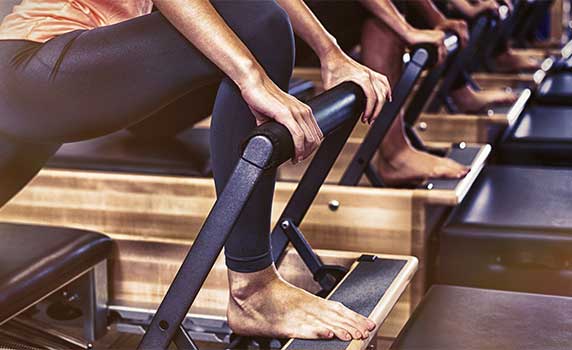
What is a Commercial Pilates Reformer?
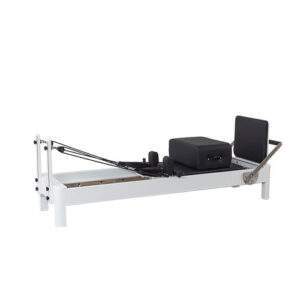
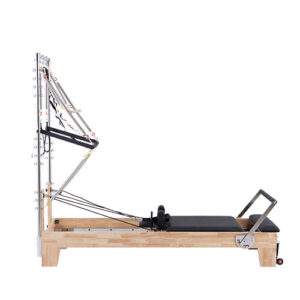
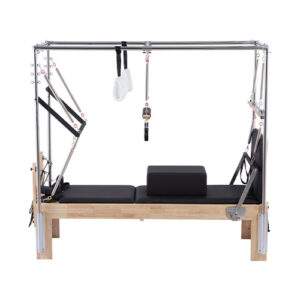
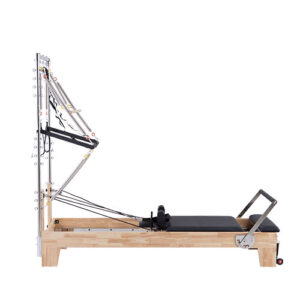
A commercial Pilates reformer is a high-quality, durable piece of fitness equipment designed for use in professional Pilates studios, gyms, and rehabilitation centers. It consists of a sliding carriage, adjustable springs for resistance, ropes, and pulleys, which together allow for a wide range of exercises targeting different muscle groups.
Key Features of Commercial Pilates Reformers
- Adjustable Resistance: The reformer uses springs of varying tension to provide customizable resistance.
- Versatile Exercise Options: Allows for a variety of exercises in different positions (lying down, sitting, standing).
- Support and Stability: Provides support for alignment and stability, making exercises safer and more effective.
- Durability: Built to withstand frequent use in commercial settings.
Benefits of Commercial Pilates Reformer Workouts
- Improved Strength and Muscle Tone: The resistance provided by the reformer helps build strength and tone muscles.
- Enhanced Flexibility: Exercises on the reformer improve flexibility and range of motion.
- Better Posture and Alignment: Focuses on proper alignment and core strength, promoting better posture.
- Injury Prevention and Rehabilitation: Ideal for low-impact exercises that aid in injury prevention and rehabilitation.
- Increased Body Awareness: Promotes mindfulness and body awareness through controlled movements.
Types of Exercises on a Commercial Pilates Reformer
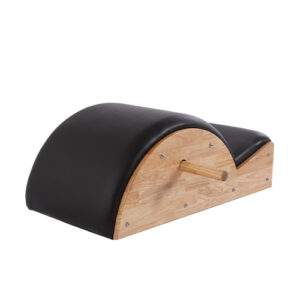
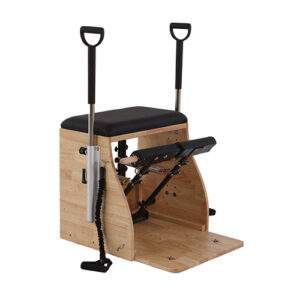
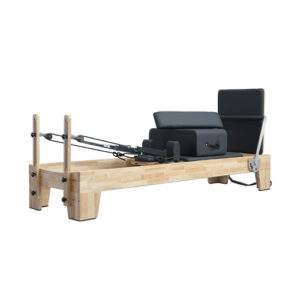
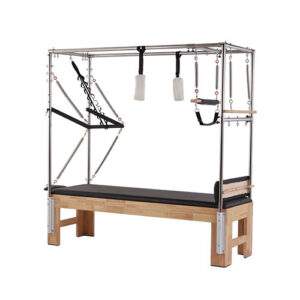
Beginner Exercises
Footwork
Footwork exercises are fundamental to Pilates reformer workouts, focusing on warming up the legs and improving foot alignment and strength.
Parallel Heels: Lying on the carriage, place your heels on the footbar and press out and in, maintaining control.
Parallel Toes: Similar to Parallel Heels, but with toes on the footbar, focusing on the calves and ankles.
V Position Toes: Heels together, toes apart, press out and in, engaging inner thighs.
Arm Circles
Arm circles enhance shoulder mobility and upper body strength.
Starting Position: Lying on the carriage with straps in hands, extend arms towards the ceiling.
Movement: Draw circles with your arms, maintaining a stable core.
Intermediate Exercises
Long Stretch Series
The Long Stretch Series is excellent for building core strength and stability.
Long Stretch: In a plank position, hands on the footbar, feet on the carriage, push the carriage out and in.
Down Stretch: Kneeling on the carriage, hands on the footbar, push the carriage out, arching the back slightly.
Up Stretch: In a pike position, feet on the footbar, hands on the carriage, push the carriage out and in.
Short Box Series
The Short Box Series focuses on core strength and spinal flexibility.
Round Back: Sitting on the box, feet under straps, round the back and roll back and forth.
Flat Back: Sitting tall, hinge back from the hips, maintaining a straight spine.
Side-to-Side: Sitting tall, arms overhead, lean side to side.
Advanced Exercises
Snake and Twist
The Snake and Twist exercise is challenging and requires significant strength and coordination.
Starting Position: In a side plank position, one hand on the footbar, feet on the carriage.
Movement: Rotate the torso and lower hips, then twist back to the starting position.
Control Balance
Control Balance is excellent for advanced practitioners to improve balance and coordination.
Starting Position: Lying on the carriage, lift legs overhead.
Movement: Lower one leg at a time towards the footbar, maintaining control and balance.
Table: Comparison of Pilates Reformer Exercises by Difficulty Level
| Exercise | Difficulty Level | Primary Muscles Targeted | Benefits |
|---|---|---|---|
| Footwork | Beginner | Legs, Calves, Ankles | Warm-up, Foot Alignment, Leg Strength |
| Arm Circles | Beginner | Shoulders, Arms, Core | Shoulder Mobility, Upper Body Strength |
| Long Stretch Series | Intermediate | Core, Arms, Shoulders | Core Strength, Stability |
| Short Box Series | Intermediate | Core, Spine, Obliques | Core Strength, Spinal Flexibility |
| Snake and Twist | Advanced | Core, Shoulders, Obliques | Strength, Coordination |
| Control Balance | Advanced | Core, Legs, Balance | Balance, Coordination |
Best Practices for Commercial Pilates Reformer Workouts
Proper Form and Alignment
Maintaining proper form and alignment is crucial to maximize the benefits of Pilates reformer workouts and prevent injuries. Focus on controlled movements, keeping the core engaged, and ensuring the spine is in a neutral position.
Breathing Techniques
Breathing is a fundamental aspect of Pilates. Coordinate your breath with your movements, inhaling deeply through the nose and exhaling through the mouth. This helps oxygenate the muscles and improve focus.
Gradual Progression
Start with beginner exercises to build a strong foundation before progressing to more advanced movements. Gradual progression helps prevent injuries and allows the body to adapt to increased demands.
Consistency
Consistency is key to achieving results with Pilates reformer workouts. Aim for regular sessions, ideally 2-3 times per week, to build strength, flexibility, and endurance over time.
Professional Guidance
Consider working with a certified Pilates instructor, especially if you are new to reformer workouts. Professional guidance ensures you perform exercises correctly and tailor the workouts to your fitness level and goals.
Conclusion
Commercial Pilates reformer workouts offer a comprehensive approach to fitness, combining strength training, flexibility, and body awareness. Whether you are a beginner or an advanced practitioner, the Pilates reformer provides a versatile platform to enhance your physical health and well-being. By understanding the different types of exercises, maintaining proper form, and progressing gradually, you can maximize the benefits of your workouts and achieve your fitness goals. Embrace the transformative power of Pilates reformer workouts and experience the positive impact on your body and mind.
FAQ
What is a commercial Pilates reformer?
A commercial Pilates reformer is a durable piece of fitness equipment designed for professional use in Pilates studios, gyms, and rehabilitation centers. It consists of a sliding carriage, adjustable springs, ropes, and pulleys, allowing for a variety of exercises targeting different muscle groups.
What are the benefits of using a Pilates reformer?
Pilates reformer workouts improve strength, flexibility, posture, and body awareness. They also enhance core stability, prevent injuries, and aid in rehabilitation.
Can beginners use a commercial Pilates reformer?
Yes, beginners can use a Pilates reformer. It is recommended to start with beginner exercises and gradually progress to more advanced movements. Working with a certified instructor can help ensure proper form and technique.
How often should I do Pilates reformer workouts?
For best results, aim for 2-3 Pilates reformer sessions per week. Consistency is key to building strength, flexibility, and endurance over time.
Are Pilates reformer workouts suitable for rehabilitation?
Yes, Pilates reformer workouts are ideal for rehabilitation as they provide low-impact, controlled movements that help improve strength, flexibility, and balance. Always consult with a healthcare professional before starting any new exercise program, especially if you have existing injuries or health conditions.
What should I wear for a Pilates reformer workout?
Wear comfortable, form-fitting clothing that allows for a full range of motion. Avoid loose clothing that may get caught in the equipment. Pilates is usually performed barefoot or with grip socks for better traction and control.