
Table of Contents
Introduction
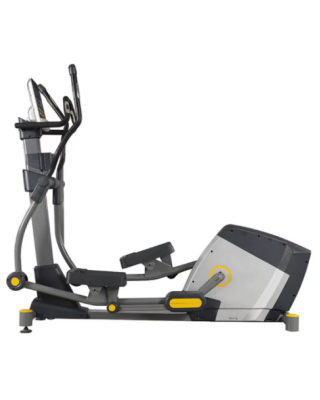
In search of a convenient and effective way to get fit at home, many people turn to cardio equipment. Among the many options, the elliptical stands out for its low-impact, full-body workout potential. It burns calories, improves cardiovascular health, and builds muscle strength while avoiding the impact on the joints that is common with running. However, when it comes to choosing the best at home elliptical machine, the vast array of options can be dizzying. Not all ellipticals are of the same quality, and some seemingly enticing choices may hide risks that can affect your workout experience, safety, or long-term satisfaction.
At Vital, we understand that investing in the best home elliptical is an important decision. As a specialized fitness equipment supplier, we offer a comprehensive line of cardio and strength training equipment, home gym and rehabilitation solutions, and wellness management products and services. Our ISO/CE certified products reflect our commitment to excellence, ensuring top-notch quality and reliability. We help fitness enthusiasts make informed choices that truly benefit their health journey. The purpose of this blog post is to shed light on three common pitfalls or “risky choices” that consumers may encounter when searching for the best at home elliptical machine, to help you avoid common mistakes and ensure that your investment leads to lasting fitness success.
The Lure of the Ultra-Cheap Elliptical Machine
The market is flooded with incredibly low-priced elliptical machines, often advertised with tempting discounts. While the appeal of saving money is strong, opting for the absolute cheapest best at home elliptical machine often comes with significant drawbacks. These models typically cut corners on materials, design, and manufacturing quality, leading to a host of problems.
Risk 1: Compromised Durability and Build Quality
A primary concern with budget-basement elliptical machines is their flimsy construction. They often use lighter-gauge steel, plastic components in critical stress points, and sub-par internal mechanisms. This results in a machine that feels wobbly, creaks under use, and is prone to breaking down quickly. The frame might not be stable enough to handle consistent use, leading to excessive rocking or instability during your workout. This not only detracts from the exercise experience but also poses a safety risk, as a shaky machine can lead to falls or injuries. The expectation that such a machine will provide a long-term fitness solution is often unmet, as users find themselves needing repairs or replacements far sooner than anticipated, negating any initial cost savings.
Risk 2: Uncomfortable and Unnatural Stride
The core benefit of an elliptical machine is its smooth, elliptical motion that mimics running or walking without impact. However, ultra-cheap models often fail to replicate this natural stride effectively. They may feature short stride lengths, awkward pedal spacing, or poorly designed pivot points. This can force your body into an unnatural movement pattern, leading to discomfort, joint pain (especially in the knees and hips), and an inefficient workout. Instead of feeling like a fluid glide, the motion can feel choppy, jarring, or constrained. Such an uncomfortable experience makes it difficult to maintain motivation and consistency, ultimately rendering the best at home elliptical machine useless as it gathers dust in a corner. The lack of proper biomechanics is a significant functional flaw that undermines the very purpose of an elliptical.
Risk 3: Lack of Features and Limited Resistance
To keep costs down, inexpensive elliptical machines often strip away essential features and offer very basic resistance systems. The resistance might feel inconsistent, provide insufficient challenge for progressive overload, or lack the fine-tuning needed for varied workouts. You might find a limited number of pre-set programs, a basic console with minimal feedback, and a general absence of comfort features like padded handles or adjustable pedals. This limits the versatility of your workouts, making them monotonous and less effective as your fitness improves. A machine that cannot adapt to your growing strength and endurance quickly becomes obsolete, leaving you wanting more from your best at home elliptical machine.
The Overly Complicated, Feature-Packed Gimmick
On the opposite end of the spectrum from the ultra-cheap option is the elliptical machine that boasts an overwhelming array of features, often at an inflated price, but fails to deliver on core performance. These machines might distract with flashy consoles, unnecessary connectivity, or questionable “innovations” while neglecting the fundamentals of a good workout.
Risk 1: Overpaying for Unnecessary Bells and Whistles
Some manufacturers pack their best at home elliptical machine models with features that sound impressive on paper but add little practical value to your workout. Think about excessive app integrations that are rarely used, proprietary workout programs that aren’t engaging, or touchscreens that are slow and clunky. While a robust console is certainly a plus, paying a premium for features you’ll never use is a waste of money. The focus shifts from the quality of the exercise motion and machine mechanics to technological novelties. This means you might be overspending on superficial aspects rather than investing in the core functionality that defines the best at home elliptical machine.
Risk 2: Sacrificing Core Mechanics for Flashy Tech
In an effort to include every possible gadget, some manufacturers might compromise on the fundamental mechanics that make an elliptical effective. This could mean a less stable frame, lower-quality bearings, or a less fluid stride path compared to a simpler, well-engineered model at a similar price point. The development budget might be disproportionately allocated to software and screens rather than the engineering excellence required for a smooth, natural, and durable elliptical motion. A visually impressive console cannot compensate for a choppy stride or a wobbly base, which are critical for both effectiveness and safety when choosing the best at home elliptical machine.
Risk 3: Increased Complexity and Potential for Malfunction
More features often mean more components and more complex software, which can increase the likelihood of technical glitches or breakdowns. Troubleshooting issues can become a nightmare, requiring specific tech knowledge or lengthy customer service calls. Proprietary systems might mean limited repair options or expensive parts. While connectivity and advanced metrics can be beneficial, an overly complex machine can lead to frustration when things inevitably go wrong. The desire for a cutting-edge experience can turn into a headache of technical support issues, undermining the reliability of your best at home elliptical machine.
The “One-Size-Fits-All” Compromise
Many consumers fall into the trap of believing that one best at home elliptical machine can perfectly suit every user in a household or cater to all types of workouts. However, ellipticals, like people, come in various sizes and have different optimal uses. Choosing a machine that attempts to be a jack-of-all-trades often ends up being a master of none, leading to compromises in comfort and effectiveness.
Risk 1: Inadequate Stride Length for Different Users
Stride length is arguably the most crucial factor for comfort and effectiveness on an elliptical. It refers to the distance the pedals move forward and backward during one full revolution. People of different heights require different stride lengths for a natural and comfortable motion. A best at home elliptical machine with a fixed, average stride length (e.g., 18 inches) might feel great for someone of average height but will feel cramped for taller users and overly extended for shorter individuals. This forces users into an unnatural motion, potentially causing joint strain or limiting the range of motion needed for an effective workout. A machine that doesn’t accommodate all primary users adequately quickly becomes a source of frustration.
Risk 2: Limited Weight Capacity and Stability
Home elliptical machines vary widely in their weight capacity. Overlooking this specification can be a risky choice. A user exceeding the machine’s recommended weight limit can compromise its stability, accelerate wear and tear, and potentially void the warranty. Even if within the weight limit, a machine designed for lighter individuals might feel unstable or creak under the load of a heavier user. The best at home elliptical machine for your household must safely and comfortably support its heaviest intended user, ensuring both performance and longevity. Ignoring weight capacity is a direct compromise on safety and durability.
Risk 3: Suboptimal for Specific Training Goals
While ellipticals are versatile, some models excel at specific training types more than others. For example, a very basic model might be fine for light cardio, but it won’t offer the resistance range or durability needed for high-intensity interval training (HIIT) or strength-focused elliptical workouts. Conversely, a robust machine with advanced features might be overkill for someone only needing light daily activity. Choosing a “one-size-fits-all” best at home elliptical machine without considering the primary training goals of its users can lead to a suboptimal experience where the machine either lacks the challenge needed or is too complex for simple use.
Key Considerations for Choosing the Best at Home Elliptical Machine
To avoid the risky choices outlined above, focus on these critical factors when making your investment.
| Feature | Description |
| Stride Length | Crucial for comfortable and natural movement. Look for a stride length that matches the height of primary users (e.g., 18-20 inches for average adults, adjustable for households with varying heights). |
| Flywheel Weight | A heavier flywheel (typically 15-25+ lbs) contributes to a smoother, quieter, and more consistent elliptical motion. It provides more fluid transitions between resistance levels and feels more substantial. |
| Resistance Type | Most common types are magnetic (ECB – Eddy Current Brake), which is quiet and smooth. Air resistance is less common for ellipticals but exists. Ensure the resistance levels offer sufficient challenge for your fitness progression. |
| Build Quality & Frame Stability | Prioritize a heavy-gauge steel frame for stability and durability. Look for a high user weight capacity, which often correlates with better build quality. Avoid machines with excessive plastic parts in load-bearing areas. |
| Foot Pedal Design & Spacing | Pedals should be comfortable, non-slip, and spaced naturally to avoid hip or knee strain. Look for adjustable pedals or those designed to promote proper ankle and knee alignment. |
| Console & Feedback | A clear, easy-to-read display showing essential metrics (time, distance, speed, calories, heart rate) is important. Consider if pre-set programs or customizable workouts align with your goals. Avoid overpaying for excessive, unused tech. |
| Ergonomics & Handlebars | Movable handlebars should allow for comfortable full-body engagement. Stationary handlebars are useful for isolated lower-body workouts or balance. Ensure a comfortable grip and natural reach. |
| Footprint & Portability | Measure your available space. Some ellipticals are compact or foldable. Consider transport wheels if you need to move the machine frequently. |
| Noise Level | For a home environment, a quiet machine is preferable. Magnetic resistance ellipticals are generally quieter than those with friction-based resistance. Test noise levels if possible. |
| Warranty & Customer Support | A strong warranty on the frame, parts, and labor indicates manufacturer confidence. Reliable customer support is crucial for any potential issues. |
Beyond the Basics: Understanding Elliptical Mechanics
To truly understand what makes the best at home elliptical machine stand out, it’s helpful to delve a bit deeper into the mechanics that influence its performance and your workout experience.
Front-Drive vs. Rear-Drive vs. Center-Drive
Ellipticals are generally categorized by the placement of their flywheel and drive system:
- Rear-Drive: The flywheel is at the back. These often have a flatter, more horizontal stride path, mimicking a natural walking or jogging motion. They tend to be longer but can offer a very smooth ride.
- Front-Drive: The flywheel is at the front. These typically offer a more inclined, stair-climbing like motion. They can be more compact but might feel less natural to some users.
- Center-Drive: The flywheel is positioned in the middle, on either side of the pedals. These are often the most compact and can offer a very natural, balanced stride. They are generally more expensive due to their complex engineering.
Understanding these differences helps align the machine’s mechanics with your preferred stride and available space, contributing to finding the best at home elliptical machine for your needs.
Q-Factor (Pedal Spacing)
The Q-factor refers to the distance between the two foot pedals. A narrow Q-factor (similar to the natural spacing of your hips when walking or running) is crucial for maintaining proper biomechanics and preventing hip or knee strain. Some cheaper ellipticals have excessively wide pedal spacing, which can lead to discomfort and potential injury over time. For the best at home elliptical machine, aim for a Q-factor that feels natural and aligned with your body.
Incline and Decline Features
Advanced elliptical machines offer incline and sometimes even decline capabilities. Adjusting the incline changes the muscle groups emphasized during your workout, simulating uphill or downhill walking/running. This adds significant versatility and allows for more targeted muscle engagement, making your best at home elliptical machine a more comprehensive training tool.
Maximizing Your Investment: Training and Maintenance
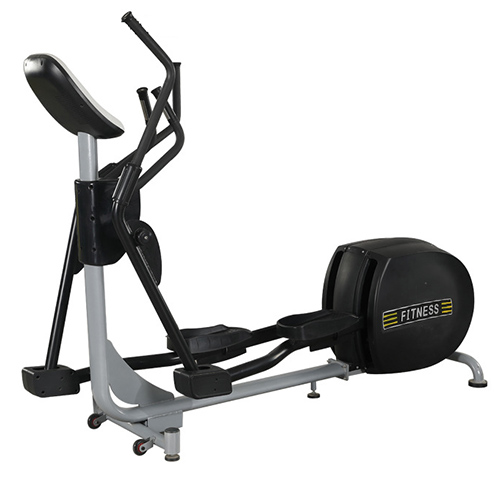
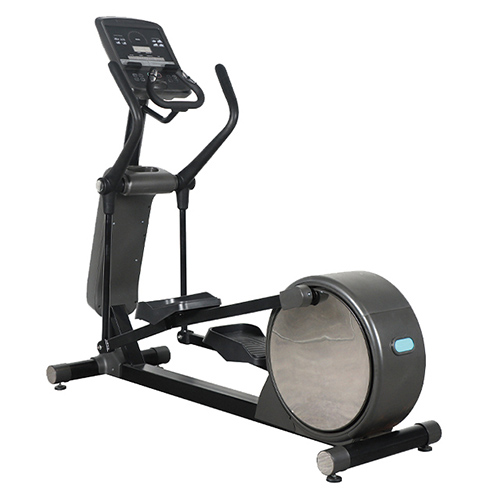
Once you’ve chosen the best at home elliptical machine, proper use and maintenance are key to ensuring its longevity and your continued fitness progress.
Effective Workout Strategies
- Vary your routine: Don’t just stick to the same speed and resistance. Experiment with interval training, incorporate incline changes, and focus on engaging both upper and lower body.
- Maintain proper form: Keep your core engaged, shoulders relaxed, and avoid leaning heavily on the handlebars. Let your legs and arms do the work.
- Progressive overload: Gradually increase resistance, duration, or intensity as your fitness improves to continue challenging your body.
These strategies ensure you get the most out of your best at home elliptical machine.
Essential Maintenance Tips
- Regular Cleaning: Wipe down the machine after each use to remove sweat and dust, which can corrode components.
- Lubrication: Periodically check the manufacturer’s guidelines for lubricating moving parts like pivot points and roller tracks to ensure a smooth, quiet operation.
- Tighten Bolts and Screws: Over time, vibrations can loosen bolts. Regularly check and tighten all connections to maintain stability and prevent squeaks.
- Inspect Parts: Look for signs of wear on belts, wheels, and pedals. Early detection of wear can prevent major breakdowns and keep your best at home elliptical machine running smoothly.
Conclusion
Choosing the best at home elliptical machine is an important investment in your health and fitness journey. Understanding some of the common risky choices – the lure of ultra-low-priced products, overly complex features, and the downside of “one size fits all” – can help you make a more informed decision. Prioritize build quality, natural stride length, appropriate features, and suitability for all users in your home. A carefully selected elliptical will provide you with years of effective, low-impact workouts that will benefit your overall health.
At Vital, we are committed to helping you find the perfect fitness solution. Our ISO/CE certified equipment focuses on durability, performance, and user satisfaction to ensure you get the best value for your investment. Don’t let risky choices keep you from achieving your fitness goals. Invest in one of the best home ellipticals that truly meets your needs! For our comprehensive range of high-quality fitness equipment and expert guidance, contact us today!
FAQ
What is the ideal stride length for a best at home elliptical machine?
The ideal stride length depends on your height. For most adults, an 18 to 20-inch stride length is comfortable. Taller individuals might prefer 20-22 inches or more. If multiple people of varying heights will use the machine, an adjustable stride length is often the best at home elliptical machine choice.
Is a heavier flywheel always better for an elliptical machine?
Generally, yes. A heavier flywheel (typically 15-25+ pounds) provides a smoother, quieter, and more consistent motion, making for a more comfortable and effective workout. It helps maintain momentum and offers a more fluid feel.
How often should I lubricate my best at home elliptical machine?
Lubrication frequency depends on the specific model and its usage. Always refer to your elliptical’s owner’s manual for specific maintenance instructions, including what parts to lubricate and how often. Regular light cleaning is also crucial.
Can a best at home elliptical machine help with weight loss?
Yes, an elliptical machine is an excellent tool for weight loss. It provides a full-body, low-impact cardiovascular workout that can burn a significant number of calories. Combining regular elliptical exercise with a balanced diet is very effective for achieving weight loss goals.